Abdominal Aortic Aneurysm Treatment
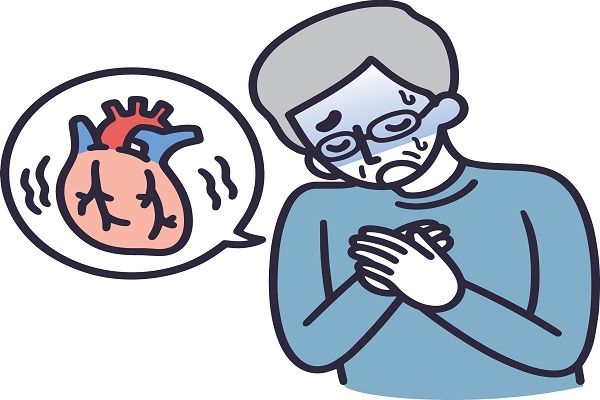
An abdominal aortic aneurysm is a serious concern that often requires medical intervention to prevent a rupture, but abdominal aortic aneurysm treatment that is administered early is often successful. It is important to be able to recognize the warning signs when they first appear.
What is abdominal aortic aneurysm treatment?
An aortic aneurysm occurs when the aorta becomes enlarged. While it can occur in other areas as well, it most commonly takes place in the area of the abdomen. There are a number of factors that may contribute to the onset of aortic aneurysm, including atherosclerosis, an infection of the aorta and high blood pressure. Unfortunately, there are not many symptoms early on, although abdomen pain, back pain, and a throbbing feeling around the area may result as the area gets larger. Abdominal aortic aneurysm treatment helps manage the symptoms as well as treat the underlying cause of the condition.
How does abdominal aortic aneurysm treatment work?
There are several types of abdominal aortic aneurysm treatments a heart specialist can utilize to treat the condition. The methods they choose are based in large part on the size of the enlargement and how severe the symptoms are. Several of the more common types of treatments include:
- Monitoring
- Stenting
- Vascular stent graft
- Aneurysm repair
If the aneurysm does not pose an immediate threat, then monitoring the issue may be all that is required. If the abdominal aortic aneurysm is relatively large and is at risk of rupturing, then more invasive treatments such as stenting, open abdominal surgery, or endovascular repair may be necessary.
Why might someone need abdominal aortic aneurysm treatment?
The goal of abdominal aortic aneurysm treatment is to minimize the discomfort of symptoms and, most importantly, prevent the aneurysm from rupturing. A ruptured aneurysm is incredibly serious as it can cause severe internal bleeding, and in many instances a ruptured aneurysm is fatal. Subsequently, it is important to seek diagnosis and treatment anytime symptoms of an abdominal aortic aneurysm exist, which may include abdominal pain, lower back pain, and a tight feeling inside and around the abdomen. Nausea may also be a symptom of the condition as well.
Benefits of abdominal aortic aneurysm treatment
Abdominal aortic aneurysm treatment can improve the patient’s quality of life and minimize the risk of a rupture. The condition does not have to hold you back. People who receive treatment are able to continue doing the things they love and go through their normal daily routine without chronic abdominal pain or excessive fear that a rupture may occur. A rupture of an aortic aneurysm is often fatal, and it is essential to do everything possible to prevent it from happening. This should start with a visit to a cardiac care professional for diagnosis and treatment when symptoms of the condition exist.
Schedule an appointment with us
Abdominal aortic aneurysm treatment is often essential when the condition is more severe. It is important to seek assistance when painful symptoms are present. Here at our office, we have the staff and resources necessary to diagnose and treat an abdominal aortic aneurysm, so be sure to schedule an appointment with us if there is any concern.
Request an appointment here: https://visoc.org or call Vascular & Interventional Specialists of Orange County at (714) 598-1194 for an appointment in our Orange office.
Check out what others are saying about our aortic aneurysm services on Yelp: Aortic Aneurysm in Orange, CA.
Related Posts
Leg swelling is a common symptom that can range from mild to severe and has many causes. Sometimes, the cause is temporary and of mild to moderate concern, but leg swelling may point to a more serious health condition in other cases. Learning more about leg swelling helps people know when to seek help from…
Hemorrhoid treatment options vary depending on severity and symptoms. There are many effective ways to manage hemorrhoids, such as through lifestyle changes, over-the-counter remedies, or more advanced medical procedures. Finding the right treatment can make a significant difference in achieving lasting relief.Hemorrhoids are swollen veins located in or around the anus and rectum, with internal…
Most uterine fibroids are noncancerous, and many patients do not realize they have them. This often leaves patients confused about what could have caused their fibroids, while they also wonder what exactly fibroids are. An OB/GYN can provide clarification on a patient’s unique condition. However, in the meantime, an overview may help.Fibroids are muscular tumors…
Curious about what varicose vein treatment from a cardiologist entails? Read on to learn more. Varicose vein treatment can significantly improve your appearance as well as your life. Varicose veins are enlarged, ropey veins that typically appear on the legs and feet. These oversized veins can often cause swelling, fatigue, and pain. They can also…