Laser Vascular Surgery for Spider Veins
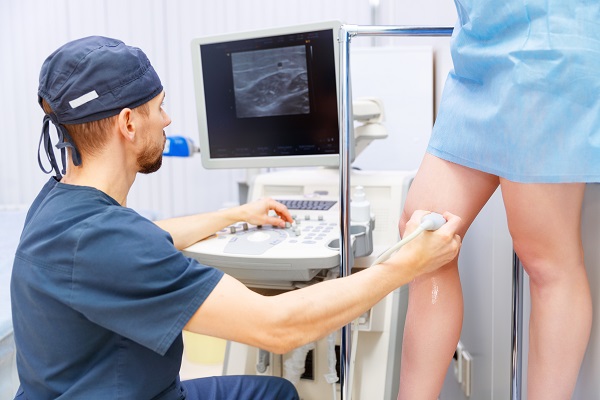
Vascular surgery is available for the treatment of spider veins in the form of laser therapy. Laser vein removal has emerged as an incredibly effective means of treating spider veins. Spider veins are diminutive red, purple or blue veins similar to threads located near the skin’s surface. These veins often look like spider webs, hence the name spider veins. Such visible veins are dilated continuously. They manifest when pressure is increased.
Spider veins have the potential to develop along any portion of the body including the face. However, most spider veins appear along the thighs, ankles, calves or even the buttocks. Some patients find success with traditional vascular surgery approaches, yet the best vascular surgeons now agree laser therapy is the optimal means of treating spider veins.
The basics of laser therapy
Laser vein removal is performed at a clinic or doctor’s office and with local anesthesia. This treatment takes an hour or less. Laser therapy relies on a narrow beam of light to pinpoint the vein that requires treatment. The beam is focused in a manner to prevent damage to skin, tissue and “regular” veins around the spider veins. The laser heats to the point that the vein is destroyed. The vein is reabsorbed across the next four to six weeks. The body reabsorbs the vein to the point that it disappears.
Spider vein treatment requires a particular laser. The most commonly used laser to treat such veins is referred to as the Nd: YAG laser system. This is a handheld device with a specialized cooling tip designed to decrease discomfort across the course of therapy.
Laser therapy is nearly painless
Part of the appeal of laser-based vascular surgery is it is painless for most patients. Though some patients experience slightly heightened sensitivity during treatment, it is only barely noticeable. The potential for a tingling sensation is attributable to the fact that the laser must fire to treat the veins. In some cases, a cooling system is available to prevent the laser tip from becoming overly-hot and causing burns or damage to the space in question.
Laser therapy explained in-depth
Nd: YAG lasers go through the skin, penetrating the superficial blood vessel. The heat created by the laser converts blood in the vessel from a fluid to a semi-solid state in a process known as coagulation. The vessel subsequently collapses and seals. The blood vessel then gradually disappears across the next couple of weeks. The blood is later removed through the body’s scavenging cells. The latest laser treatments are advanced to the point they provide a specific dosage of energy to blood vessels without damaging nearby structures.
Contact our office today
Give us a call to learn more about laser vein removal and other vascular surgery options. Reach out to us today to coordinate an initial appointment.
Call (714) 598-1194 today to reach Vascular & Interventional Specialists of Orange County.
Check out what others are saying about our dental services on Yelp: Vascular Surgery in Orange, CA.
Related Posts
Leg swelling is a common symptom that can range from mild to severe and has many causes. Sometimes, the cause is temporary and of mild to moderate concern, but leg swelling may point to a more serious health condition in other cases. Learning more about leg swelling helps people know when to seek help from…
Hemorrhoid treatment options vary depending on severity and symptoms. There are many effective ways to manage hemorrhoids, such as through lifestyle changes, over-the-counter remedies, or more advanced medical procedures. Finding the right treatment can make a significant difference in achieving lasting relief.Hemorrhoids are swollen veins located in or around the anus and rectum, with internal…
Most uterine fibroids are noncancerous, and many patients do not realize they have them. This often leaves patients confused about what could have caused their fibroids, while they also wonder what exactly fibroids are. An OB/GYN can provide clarification on a patient’s unique condition. However, in the meantime, an overview may help.Fibroids are muscular tumors…
Curious about what varicose vein treatment from a cardiologist entails? Read on to learn more. Varicose vein treatment can significantly improve your appearance as well as your life. Varicose veins are enlarged, ropey veins that typically appear on the legs and feet. These oversized veins can often cause swelling, fatigue, and pain. They can also…