Varicose Vein Treatment
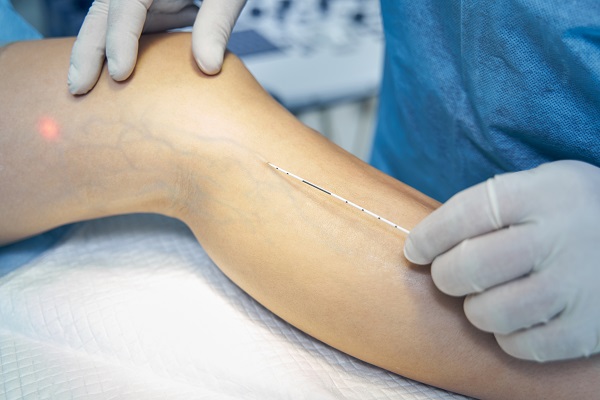
Varicose vein treatment is done to diminish the appearance of twisted, enlarged veins. Any vein close to the skin surface can become varicose, but the condition mostly affects the veins in your legs. For many, varicose veins are a minor cosmetic problem. For others, the condition could cause pain and uneasiness. Varicose vein treatment typically involves closing or removing the veins.
Who needs varicose vein treatment?
The patient may not experience any pain. However, anyone with the following signs needs to undergo varicose vein treatment: Dark purple or blue veins and twisted or bulging veins, which appear like cords on the legs.
Additional implications of varicose veins include:
- Skin changes around the varicose veins
- Muscle cramps and swelling in the lower legs
- Painful or heavy feeling in the legs
- Itching around the veins
- Debilitating pain after standing or sitting for long
Patients can manage varicose pain and ease the symptoms by exercising regularly, avoiding tight clothes, raising the legs and avoiding long stretches of sitting or standing.
Treatments for varicose veins
There are minimally invasive procedures for treating varicose veins, which means treatment can be performed on an outpatient basis. The following is a list of the various treatment options available today.
Compression stockings
The first approach to varicose vein treatment is wearing compression stockings throughout the day. The stockings compress the legs, aiding efficient circulation of blood in the veins and leg muscles. The level of compression depends on the type and brand of the compression stockings.
Compression stockings are available in most pharmacies and medical stores. The doctor can also provide prescription-strength stockings.
If the condition fails to respond to compression or self-care, then the doctor might recommend any of the following treatments:
Sclerotherapy
Sclerotherapy involves the injection of a solution or foam into the varicose veins to seal the veins.
Laser treatment
The application of lasers to seal spider veins and smaller varicose veins. It works by targeting the veins with bursts of powerful light energy to make them fade slowly and disappear.
Catheter-aided procedures with radiofrequency or laser energy
In this treatment method, the doctor will insert a catheter into an engorged vein and heat the end of the catheter with laser energy or radiofrequency. The heat damages the veins as the catheter is extracted, causing the vein to seal off and collapse.
Vein ligation and stripping
This method requires tying off a vein before it connects to a deep vein and extracting the vein with small incisions.
Ambulatory phlebectomy
This involves the removal of smaller varicose veins with multiple small skin punctures.
Endoscopic vein surgery
This method is performed in cases of complications such as leg ulcers and when other methods fail. The surgeon will insert a small video camera into the leg to see and seal off varicose veins before removing them through tiny incisions.
Final note
Varicose vein treatment helps to remove the unsightly appearance of bulging veins in the leg or any other part of the body. Patients can also experience significant relief in their legs after undergoing the procedure. Although there is no way to stop varicose veins totally, you can limit their occurrence by improving blood circulation and muscle tone.
Get more information here: https://visoc.org or call Vascular & Interventional Specialists of Orange County at (714) 598-1194
Check out what others are saying about our Varicose Vein Treatment services on Yelp: Varicose Vein Treatment in Orange, CA.
Related Posts
Proper circulation is important for optimal health. However, plaque buildup, blood clots, and narrowed blood vessels cause poor circulation, leading to serious health issues. Poor circulation treatment can directly impact your overall quality of health and well-being.The human circulatory system sends blood, oxygen, and nutrients throughout the body. However, poor circulation can reduce the amount…
Leg ulcers pose a significant health concern that should never be ignored. These sores are slow to heal, painful, and can appear in multiple areas or one, impacting the quality of one's life. While various factors can contribute to the development of this condition, vascular care can facilitate healing and prevent reoccurrence.Leg ulcers are typically…
Heart disease is the leading cause of death in the United States. However, there is no particular age to begin screening for cardiovascular disease. If you have risk factors, consulting a vascular doctor can help protect your cardiovascular and overall health. These healthcare providers specialize in preventing, diagnosing, and treating conditions that affect the vascular…
Blood clots, or thrombosis, can be a serious and potentially life-threatening condition. They occur when blood cells clump together, forming a semi-solid mass within the blood vessels. A common blood clot treatment is anticoagulant medication. Vascular surgeons and doctors can prescribe these medications to prevent life-threatening complications that blood clots can cause.Anticoagulant medications, commonly known…