Varicose Veins: Should I Be Worried About Them?
Looking for information on varicose veins? Whether you have been living with varicose veins for a while now or have only recently noticed them, understanding more about these abnormal blood vessels is a good idea. They typically appear on one’s legs or feet but can appear anywhere; they look like an exaggerated vein and can take on a blue or purple color. These bulging veins are more commonly found in those who are overweight, pregnant, stand in one place for long periods of time or have a family history of varicose veins.
About varicose veins
If you currently have varicose veins and are concerned that they will cause you to experience health issues, then learning more about this common condition is recommended. Varicose veins are caused when there is an increase of blood pressure within the veins. This increase in pressure will eventually damage or weaken a vein's valves, which means they are no longer able to support proper blood flow. This inability to properly move the blood flow through the vein can cause the blood to pool within the vein, causing them to enlarge.
According to Hopkins Medicine, varicose veins are not considered to be a serious medical condition but can lead to more serious problems.
Common symptoms associated with varicose veins
Common symptoms include small sores on one or both legs, a change in color near the affected vein area, a burning or itching feeling and/or small or large rashes. Serious cases of varicose veins can potentially create swelling in the area.
Are spider veins varicose veins?
Spider veins are a milder form of varicose veins. They are often red or blue in color and occur on the legs but can sometimes appear on or around the facial area.
When someone should be worried
Varicose veins can lead to someone being diagnosed with more serious vein problems, e.g., deep vein thrombosis, pulmonary embolism, etc. Deep vein thrombosis is a medical condition that happens when a blood clot is formed within someone’s veins, which often causes discomfort within the leg. Pulmonary embolism refers to a potentially life-threatening medical situation and is caused by blood clots that travel to the body and end up in the lungs.
Anyone who has varicose veins and is currently experiencing inflammation or pain in their legs should contact a medical professional as soon as possible for treatment.
Common treatment options
The type of treatment someone will require to address their varicose vein problem is determined case by case. A medical professional will take into account one’s age, their medical history, what types of symptoms they are experiencing and what other treatment options they have already tried, if any. Common treatment options include elevating the legs periodically throughout the day, wearing compression stockings, having a saline solution injected into the veins, using lasers to destroy the vein and completely removing the veins.
Are you worried about your varicose veins?
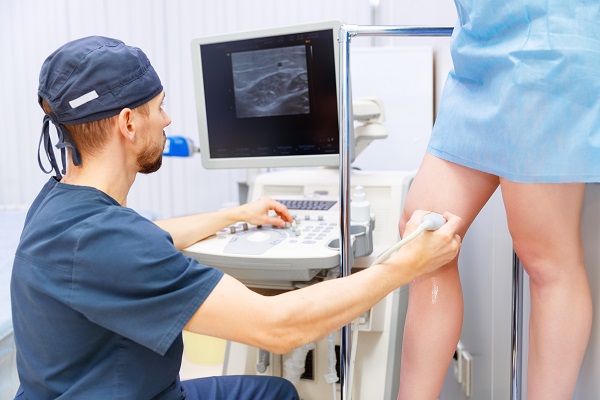
If you are currently living with varicose veins, you will need to make an appointment with a medical professional for a proper diagnosis. A physical examination will be performed, as well as an ultrasound that can check for proper blood flow. The type of treatment you will receive will simply depend on your particular situation. The sooner you seek treatment, the sooner you can understand whether your varicose veins will lead to additional health problems.
Let's get started
Are you considering treatment for varicose veins in the Orange area? Get more information at https://visoc.org.
Check out what others are saying about our dental services on Yelp: Varicose Veins in Orange, CA.
Related Posts
Leg swelling is a common symptom that can range from mild to severe and has many causes. Sometimes, the cause is temporary and of mild to moderate concern, but leg swelling may point to a more serious health condition in other cases. Learning more about leg swelling helps people know when to seek help from…
Hemorrhoid treatment options vary depending on severity and symptoms. There are many effective ways to manage hemorrhoids, such as through lifestyle changes, over-the-counter remedies, or more advanced medical procedures. Finding the right treatment can make a significant difference in achieving lasting relief.Hemorrhoids are swollen veins located in or around the anus and rectum, with internal…
Most uterine fibroids are noncancerous, and many patients do not realize they have them. This often leaves patients confused about what could have caused their fibroids, while they also wonder what exactly fibroids are. An OB/GYN can provide clarification on a patient’s unique condition. However, in the meantime, an overview may help.Fibroids are muscular tumors…
Curious about what varicose vein treatment from a cardiologist entails? Read on to learn more. Varicose vein treatment can significantly improve your appearance as well as your life. Varicose veins are enlarged, ropey veins that typically appear on the legs and feet. These oversized veins can often cause swelling, fatigue, and pain. They can also…