Visiting a Vascular Specialist for Poor Circulation Treatment
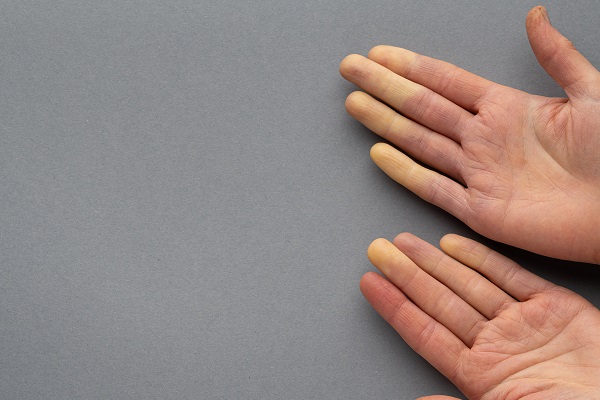
Poor blood circulation can cause discomfort, from coldness to numbness and even ulcers. If you are experiencing these symptoms, a vascular doctor can provide poor circulation treatment to help treat uncomfortable and painful symptoms. They can also help prevent circulatory issues from progressing into a life-threatening condition. This article will discuss when and why to visit a doctor for help with poor circulation.
Signs and symptoms of poor circulation
Unusually cold feet and legs are typically the first signs of poor blood circulation. It is recommended to consult a vascular doctor if the patient frequently experiences these symptoms to stop the progression of any circulatory issues. If left untreated, poor circulation could lead to the following symptoms:
- Numbness and tingling
- Development of ulcers
- Enlarged veins (varicose veins)
- Swollen or heavy feet and legs
- Slowed toenails or hair growth on the extremities
- Restless, aching, or painful legs and feet
- Changes in skin coloration
- Split or weeping skin
- Pelvic pain
Poor blood circulation can slow healing and exacerbate immobility, leading to severe complications. For instance, a minor bruise can develop into an infected ulcer. Other complications include blood clots, stroke, and heart failure. For these reasons, it is best to see a vascular surgeon for early detection and treatment.
Potential causes
Age is a common factor in poor blood circulation. Senior citizens are the most vulnerable to developing circulatory issues, typically in the legs. However, people of all ages may have trouble with blood flow. Besides old age, other common causes of poor circulation include:
- Diabetes
- Obesity
- Smoking
- Being in poor shape
- Atherosclerosis
- Peripheral artery disease
- Deep vein thrombosis
Vascular treatments for poor blood circulation
A vascular doctor can diagnose circulatory issues and recommend treatment options. The most common poor circulation treatment is a combination of prescription medication and a healthier lifestyle, such as regular exercise, a nutritious diet, and maintaining a healthy weight. It can also help to wear compression garments, which increase blood flow and help with circulation. The doctor may also recommend elevating the feet to alleviate any fluid buildup in the legs and feet (a condition known as “edema”).
Keep in mind that poor circulation treatment will vary depending on the cause(s). A vascular doctor may recommend quitting tobacco and implementing an exercise routine if the primary issue is smoking and an inactive lifestyle. When a medical condition is the root cause, treatment will focus primarily on that condition while also working to address one’s circulatory issues.
Surgeries for poor circulation
Sometimes, a diet and exercise program is insufficient in treating poor circulation. In these cases, a vascular surgeon may recommend an angioplasty procedure, in which the surgeon inserts a catheter to widen the artery and increase blood flow. Bypass surgery may also be recommended. In this procedure, the vascular surgeon will reroute the blood through veins or synthetic grafts (essentially, an artificial blood vessel) to improve circulation.
While every surgery has risks, the benefits of poor circulation treatment tend to outweigh the long-term effects of untreated circulatory issues. It is important to make the recommended lifestyle changes after surgery to maintain good circulation. A vascular doctor can provide personalized treatment advice and options.
Book your first appointment
If you or a loved one has noticed signs or symptoms of circulatory issues, consult a vascular doctor for poor circulation treatment. We can develop a treatment plan that addresses your concerns and suits your needs. Call our Orange office today.
Request an appointment here: https://visoc.org or call Vascular & Interventional Specialists of Orange County at (714) 598-1194 for an appointment in our Orange office.
Check out what others are saying about our services on Yelp: Poor Circulation Treatment in Orange, CA.
Related Posts
Leg swelling is a common symptom that can range from mild to severe and has many causes. Sometimes, the cause is temporary and of mild to moderate concern, but leg swelling may point to a more serious health condition in other cases. Learning more about leg swelling helps people know when to seek help from…
Hemorrhoid treatment options vary depending on severity and symptoms. There are many effective ways to manage hemorrhoids, such as through lifestyle changes, over-the-counter remedies, or more advanced medical procedures. Finding the right treatment can make a significant difference in achieving lasting relief.Hemorrhoids are swollen veins located in or around the anus and rectum, with internal…
Most uterine fibroids are noncancerous, and many patients do not realize they have them. This often leaves patients confused about what could have caused their fibroids, while they also wonder what exactly fibroids are. An OB/GYN can provide clarification on a patient’s unique condition. However, in the meantime, an overview may help.Fibroids are muscular tumors…
Curious about what varicose vein treatment from a cardiologist entails? Read on to learn more. Varicose vein treatment can significantly improve your appearance as well as your life. Varicose veins are enlarged, ropey veins that typically appear on the legs and feet. These oversized veins can often cause swelling, fatigue, and pain. They can also…