What Is a Vascular Specialist?
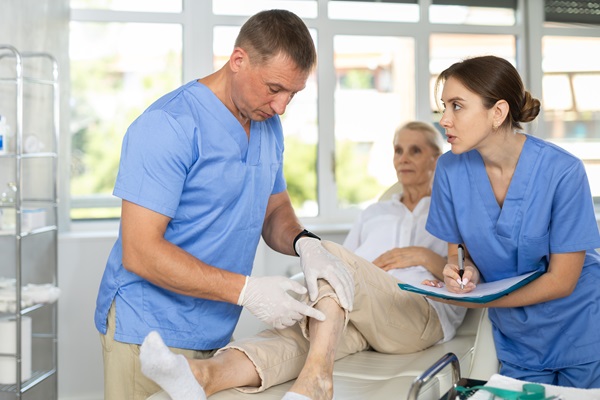
A vascular specialist is a medical professional dedicated to identifying, treating, or managing any condition affecting the vascular system. The vascular system comprises a network of blood and lymph vessels that move throughout and deliver nutrients, blood, and oxygen to the heart and other major arteries. Whether you need them for long-term or short-term care, let us look at how a vascular specialist can assist you.
What to Know About Vascular Specialists
What to expect during the initial appointment
At the initial appointment, the vascular specialist's main aim is to determine whether the condition or symptoms one is experiencing are directly related to an issue with the vascular system. Therefore, they will review symptoms, their severity, and how long the patient has been experiencing them. It is crucial for patients to be honest during this time to receive a clear, accurate diagnosis. Therefore, we recommend creating a list before the appointment so nothing is forgotten.
The vascular specialist will also review the patient's personal medical history and family history, as some vascular conditions are hereditary. While some vascular conditions are obvious, some may require extra testing, such as ordering blood tests, CT scans, X-rays, or an ultrasound and performing a physical examination. That said, patients may not receive a formal diagnosis during the initial appointment but may need to wait a while so the doctor can assess their findings.
Common conditions vascular specialist's treat
While there are a host of vascular conditions, here are some of the most common:
Aneurysms
Aneurysms occur when an artery wall stretches out, or a bulge is present. If left untreated, this area can cause the artery to burst open and cause internal bleeding.
Aortic dissection
The aorta is the main artery responsible for transporting oxygen and nutrient-rich blood cells from the heart to the rest of the body. When it becomes weak, it can create a tear in its inner layer, which can be life-threatening.
Blood clots
Whether there is a blood clot traveling to the lungs (pulmonary embolism) or one building in the legs (deep vein thrombosis), it can have life-changing or threatening results.
Carotid artery disease
The carotid artery is located on either side of the neck. Carotid artery disease occurs when plaque continuously builds up in the artery, causing blockages. The Stony Brook Heart Institute estimates that 30 percent of strokes result from this disease.
Inflamed blood vessels
If the blood vessels are inflamed, it is likely due to a condition known as vasculitis. When the blood vessels swell or are inflamed, it becomes difficult for them to travel through the veins to major arteries.
Varicose or spider veins
Though sometimes used interchangeably, varicose veins and spider veins are separate conditions. Varicose veins are large, dark blue, and purple that appear to twist and press up against the skin. Spider veins are smaller and not raised but can look blue, red, or green.
Vascular treatments
Treatments will vary depending on the condition, its severity, and the overall state of the patient's health. They can provide minimally invasive to invasive procedures to improve blood flow and medications to do the same and bring down other factors being raised by the root condition, like blood pressure and cholesterol. They can also provide the patients with surgically inserted appliances, such as stents, to help keep the veins and arteries open.
Moreover, the vascular specialist will review the most effective treatments with patients, whether they are long-term or short-term treatment plans.
Consult a Orange area vascular specialist
If you are having issues with your vascular system, do not go to any medical professional—contact our vascular specialist. Vascular & Interventional Specialists of Orange County can provide the care plan you need to get your health back into a safe status.
Request an appointment here: https://visoc.org or call Vascular & Interventional Specialists of Orange County at (714) 598-1194 for an appointment in our Orange office.
Check out what others are saying about our services on Yelp: Vascular Specialist in Orange, CA.
Related Posts
Prostate artery embolization (PAE) is an innovative and minimally invasive procedure used to treat benign prostatic hyperplasia (BPH), a common condition that causes an enlarged prostate. BPH often leads to urinary symptoms such as frequent urination, weak urine flow, and the sensation of incomplete bladder emptying. Prostate Artery Embolization provides a non-surgical solution for individuals…
Leg swelling is a common symptom that can range from mild to severe and has many causes. Sometimes, the cause is temporary and of mild to moderate concern, but leg swelling may point to a more serious health condition in other cases. Learning more about leg swelling helps people know when to seek help from…
Hemorrhoid treatment options vary depending on severity and symptoms. There are many effective ways to manage hemorrhoids, such as through lifestyle changes, over-the-counter remedies, or more advanced medical procedures. Finding the right treatment can make a significant difference in achieving lasting relief.Hemorrhoids are swollen veins located in or around the anus and rectum, with internal…
Most uterine fibroids are noncancerous, and many patients do not realize they have them. This often leaves patients confused about what could have caused their fibroids, while they also wonder what exactly fibroids are. An OB/GYN can provide clarification on a patient’s unique condition. However, in the meantime, an overview may help.Fibroids are muscular tumors…