When To See a Vascular Doctor for Leg Swelling
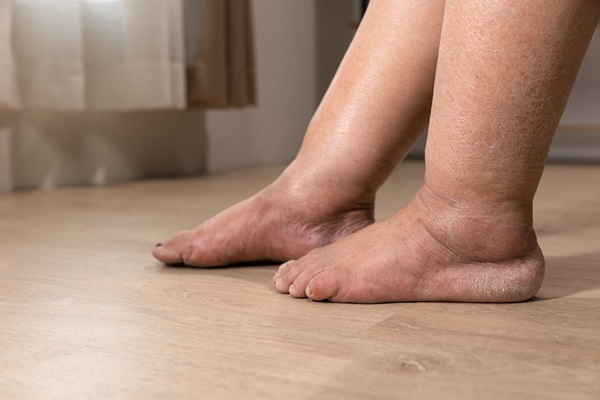
Leg swelling can result for a variety of reasons. Usually, individuals will try to treat it with home remedies and rest. However, if the swelling occurs suddenly, seemingly without a result of injury, it may indicate a deeper issue. Take a closer look at possible causes of leg swelling and when to seek a vascular doctor.
Signs Leg Swelling is Linked to an Underlying Condition
Chronic edema
While edema can occur in any part of the body, it is more common in the legs and feet. It results from fluid buildup in the body's tissues, causing feet or leg swelling. Fluid buildup can occur as a side effect of certain medications, congestive heart disease, kidney failure, liver cirrhosis, obesity, pregnancy, or venous insufficiency.
Edema can be dangerous, as excess fluid can surround major arteries, causing them to function improperly. Common symptoms of the condition are the skin of the legs becoming shiny and stretched or a general heaviness to them. It is time to alert a vascular doctor or specialist when these symptoms continue or if symptoms expand to shortness of breath, irregular heartbeat, or chest pain. Sometimes, it is better to seek emergency services first, then schedule an appointment with our office, bringing documentation from the initial medical visit.
Discoloration and temperature changes
Leg swelling can result from inflammation. However, there is cause for alarm when discoloration marks or patches accompany the swelling. If the legs also feel cool or hot to the touch, there is a major indication of a vascular infection or disease. Pain can sometimes be associated with these symptoms, but not always. These symptoms can result from any number of vascular conditions, so patients should not delay receiving vascular care. This is especially true for patients who are pregnant or have an underlying medical condition that affects the arteries or immune system functioning.
Spider veins
Not every cause for a vascular doctor visit is a serious condition. Sometimes, the blood vessels can become damaged just under the skin, resulting in red, blue, or purple-looking veins. Though the condition is generally seen as harmless, it can become disheartening to look at. Due to their size, spider veins often look like pen marks on the legs or thighs. Though rare, a common physical side effect is itching. Most patients seek a vascular doctor's care to correct the aesthetic of spider veins, not because of a function or health issue.
Varicose veins
Leg swelling can result from varicose veins, also known as varicosities. Varicose veins are large in length or girth, twisted, and purple or dark blue in color. Unlike spider veins, varicose veins are a cause for concern. Symptoms such as pain, discomfort, leg twitches, leg swelling, itching, and burning are common for this condition. If left untreated, it can lead to more serious concerns, such as ulcers or external and internal bleeding.
Do not delay in receiving answers
If you are experiencing leg swelling without injury, especially if prolonged beyond a few days or weeks, it is time to seek the care of a vascular doctor. Any delay can result in worsening the issue and leaving you in a state of confusion trying to self-treat symptoms, which are not the true source. Contact our Orange office for an evaluation and treatment options.
Request an appointment here: https://visoc.org or call Vascular & Interventional Specialists of Orange County at (714) 598-1194 for an appointment in our Orange office.
Check out what others are saying about our services on Yelp: Leg Swelling in Orange, CA.
Related Posts
Prostate artery embolization (PAE) is an innovative and minimally invasive procedure used to treat benign prostatic hyperplasia (BPH), a common condition that causes an enlarged prostate. BPH often leads to urinary symptoms such as frequent urination, weak urine flow, and the sensation of incomplete bladder emptying. Prostate Artery Embolization provides a non-surgical solution for individuals…
Leg swelling is a common symptom that can range from mild to severe and has many causes. Sometimes, the cause is temporary and of mild to moderate concern, but leg swelling may point to a more serious health condition in other cases. Learning more about leg swelling helps people know when to seek help from…
Hemorrhoid treatment options vary depending on severity and symptoms. There are many effective ways to manage hemorrhoids, such as through lifestyle changes, over-the-counter remedies, or more advanced medical procedures. Finding the right treatment can make a significant difference in achieving lasting relief.Hemorrhoids are swollen veins located in or around the anus and rectum, with internal…
Most uterine fibroids are noncancerous, and many patients do not realize they have them. This often leaves patients confused about what could have caused their fibroids, while they also wonder what exactly fibroids are. An OB/GYN can provide clarification on a patient’s unique condition. However, in the meantime, an overview may help.Fibroids are muscular tumors…