When You Should Consult a Vascular Surgeon
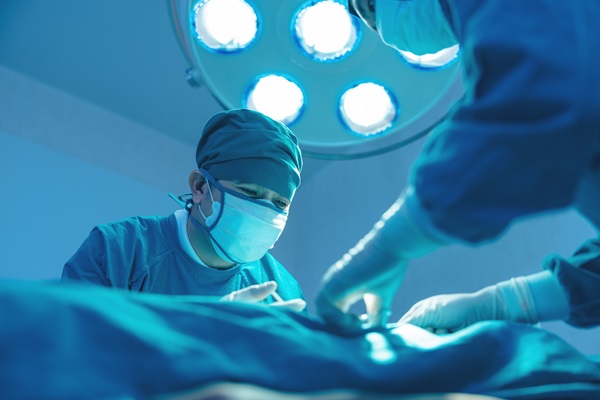
When you have an issue with your arteries, veins, or blood vessels, it can cause serious health problems. It can interrupt the transportation of oxygen, nutrients, and waste products. A vascular surgeon is a doctor who specializes in diagnosing and treating issues that affect the circulatory system. Some signs indicate that you may need to consult a vascular surgeon.
Persistent leg pain and swelling
Leg pain and swelling can indicate a variety of conditions, including deep vein thrombosis (DVT), venous insufficiency, or peripheral artery disease (PAD). Patients experiencing persistent discomfort, particularly combined with other concerning symptoms like skin changes, ulcers, or having difficulty walking, should visit a vascular surgeon. They can order tests to ensure the blood supply in the patient's legs falls within normal ranges. Tests may include an ultrasound or checking the blood pressure in the patient's legs.
Varicose veins
Varicose veins are enlarged, twisted blood vessels often appear in the thighs, knees, and calves that may appear purple or red. Spider veins may also appear due to swollen capillaries or smaller blood vessels. They may cause pain, swelling, and skin changes.
Varicose veins are not only a cosmetic concern. They can lead to significant discomfort and complications when left untreated. A vascular surgeon can evaluate the swollen veins and recommend treatment, such as vein surgery, laser therapy, and lifestyle changes to improve the patient's symptoms.
Chest pain or discomfort
Chest pain is a red flag that no one should ever ignore. While it can be a symptom of various conditions, it should be ruled out as a cardiovascular condition like heart disease. Working with a cardiologist, a vascular surgeon can help diagnose and treat conditions like aortic aneurysms or other vascular disorders that may contribute to chest pain.
High blood pressure
High blood pressure, or hypertension, can be managed with lifestyle changes and medication. However, in some cases, it may not respond to conservative treatments and indicate an underlying vascular issue. A vascular surgeon can evaluate the patient's symptoms to identify and address any vascular abnormalities.
Slow healing wounds
If a patient has slow-healing wounds, particularly on the lower extremities, it can be a sign of poor blood circulation. Conditions like PAD can lead to reduced blood flow, making it harder for wounds to heal properly. Consulting a vascular surgeon can help provide a proper diagnosis and the implementation of targeted treatments to improve blood flow and promote the body's natural healing process.
Abdominal aortic aneurysm
An abdominal aortic aneurysm (AAA) is a life-threatening condition where the wall of the aorta weakens and bulges outward. When left untreated, it can rupture, leading to a serious medical emergency. Individuals with a higher risk of developing AAA, such as those with a family history or those who are habitual smokers, should undergo screening with a vascular surgeon. The specialist can perform the necessary tests and recommend appropriate treatments if the tests detect signs of AAA.
Complications from diabetes
Diabetes can lead to a range of vascular complications, such as diabetic foot ulcers and peripheral neuropathy. These issues can have serious consequences if patients do not properly manage their symptoms. A vascular surgeon can provide specialized care to address the unique vascular challenges that people with diabetes often face.
Call our office to schedule an appointment
If you or a loved one are experiencing any of the symptoms or situations mentioned above, do not hesitate to reach out to us to schedule an appointment. Early intervention can often lead to more effective treatments and better outcomes. Call our office today to give your circulatory system the support it needs.
Request an appointment here: https://visoc.org or call Vascular & Interventional Specialists of Orange County at (714) 598-1194 for an appointment in our Orange office.
Check out what others are saying about our services on Yelp: Vascular Surgeon in Orange, CA.
Related Posts
Leg swelling is a common symptom that can range from mild to severe and has many causes. Sometimes, the cause is temporary and of mild to moderate concern, but leg swelling may point to a more serious health condition in other cases. Learning more about leg swelling helps people know when to seek help from…
Hemorrhoid treatment options vary depending on severity and symptoms. There are many effective ways to manage hemorrhoids, such as through lifestyle changes, over-the-counter remedies, or more advanced medical procedures. Finding the right treatment can make a significant difference in achieving lasting relief.Hemorrhoids are swollen veins located in or around the anus and rectum, with internal…
Most uterine fibroids are noncancerous, and many patients do not realize they have them. This often leaves patients confused about what could have caused their fibroids, while they also wonder what exactly fibroids are. An OB/GYN can provide clarification on a patient’s unique condition. However, in the meantime, an overview may help.Fibroids are muscular tumors…
Curious about what varicose vein treatment from a cardiologist entails? Read on to learn more. Varicose vein treatment can significantly improve your appearance as well as your life. Varicose veins are enlarged, ropey veins that typically appear on the legs and feet. These oversized veins can often cause swelling, fatigue, and pain. They can also…